

All About Electrolysis
-
A permanent hair removal technique that destroys the growth center of the hair with chemical or heat energy. A fine probe is inserted into the hair follicle, and then a small amount of current is delivered to the target area, effectively eliminating the hair’s ability to regrow without damaging the surrounding skin.
-
Unlike temporary solutions like shaving, waxing, or depilatory creams, electrolysis offers a permanent solution by targeting the root cause of hair growth.
-
Galvanic Electrolysis: Utilizes chemical reactions produced by a direct electric current to destroy the hair follicle. It is effective for all types of hair and skin.
Thermolysis: Employs high-frequency alternating current, generating heat to destroy the hair follicle. This method is faster but may require multiple sessions for certain hair types.
Blend Method: Combines both galvanic and thermolysis techniques, offering the effectiveness of chemical destruction with the speed of heat for a versatile approach.
-
After electrolysis treatments, you might notice some hairs appearing again. It’s important to distinguish between apparent regrowth and actual regrowth. Apparent regrowth refers to hairs that were not actively visible during earlier sessions and are now emerging due to the natural hair growth cycle. These hairs were not previously treated, so they are not an indication of the treatment's effectiveness. Actual regrowth, on the other hand, involves previously treated hairs that are growing back, usually finer and weaker. As treatments progress, true regrowth becomes less common, leading to permanent results over time.

Pre-treatment care
Proper preparation for an electrolysis appointment is crucial to ensuring the effectiveness and comfort of your hair removal experience. By following a few simple steps before your session, you can enhance the treatment's efficiency and minimize any potential discomfort.
-
Keep the treatment area out of the sun for at least 48 hours before your session to prevent sensitivity.
-
Do not apply creams, lotions, or makeup on the treatment area on the day of your appointment.
-
Trim the hair in the treatment area to a few millimeters above the skin surface for optimal results.
-
Stay hydrated by drinking plenty of water before your treatment to aid in the hair removal process.

Post-treatment care
Proper aftercare following an electrolysis appointment is essential for ensuring the health and recovery of the treated skin areas. Adhering to aftercare instructions minimizes potential side effects, such as redness, swelling, or infection, and promotes faster healing.
-
Keep the treated area protected from the sun. Use a broad-spectrum sunscreen to prevent hyperpigmentation.
-
Apply aloe vera or a calming cream to soothe the skin if you experience any redness or irritation.
-
Stay away from hot showers, saunas, and exercise for at least 24 hours to avoid additional skin irritation.
-
Keep the area clean and avoid touching to prevent infection.
People with excessive or unwanted hair
People committed to completing the full course of treatments
People suffering from Hirsutism or PCOS
Who should get electrolysis?
〰️
Who should get electrolysis? 〰️
People with gray, red, or light-colored hair
People who were not satisfied with other hair removal methods
Pre-Surgical hair removal, such as gender affirmation surgery
People with pacemakers or major heart problems
People who are on blood thinners
People with skin infections or active acne
Who shouldn't get electrolysis?
〰️
Who shouldn't get electrolysis? 〰️
People who are pregnant (if getting Galvanic or Blend)
People with metal implants in the treatment area (if getting Galvanic or Blend)
People suffering from hemophilia
The Hair Growth Cycle
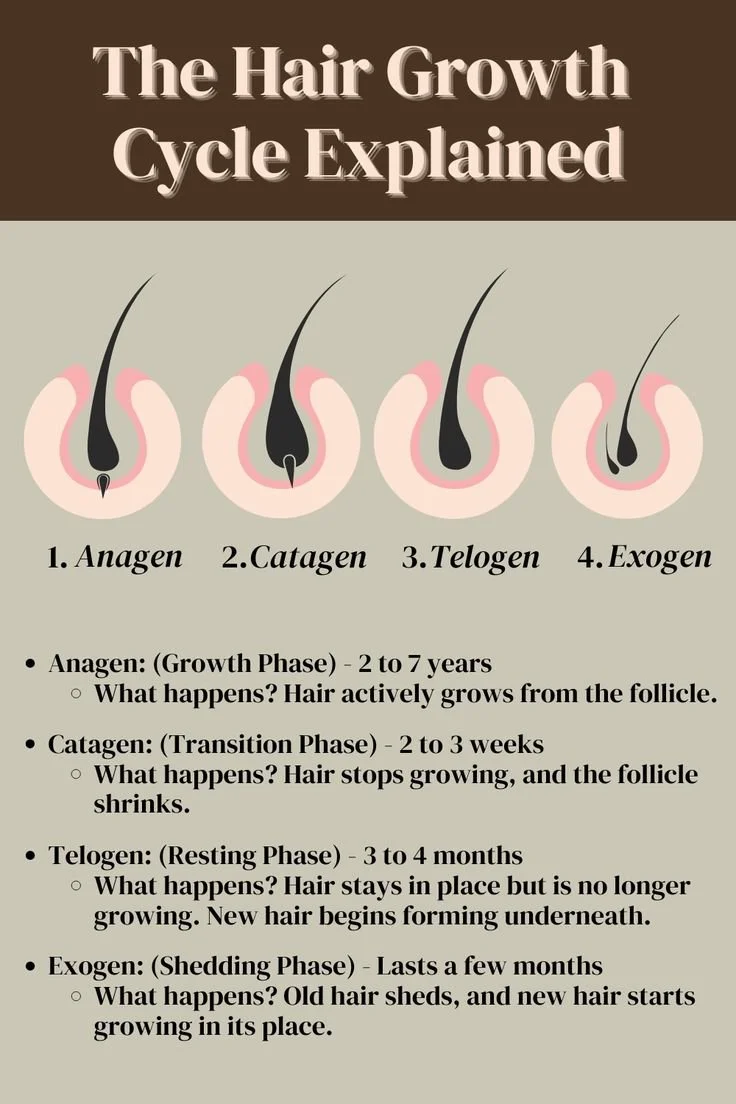
Understanding the hair growth cycle is crucial for effective electrolysis treatment. Electrolysis targets hair in the anagen phase, when it is most responsive to treatment because the hair is actively connected to the dermal papilla, providing the best opportunity for permanent removal.
Knowing which stage the hair is in can help tailor the treatment plan, optimize results, and reduce the number of sessions needed by ensuring each hair is treated at the most effective time.